Introduction
The handbag landscape has witnessed significant transformations in recent years, influenced by evolving fashion trends and shifting consumer demands. As we dive into 2026, it is essential to recognize the transition from the once-dominant micro-bags to larger, more functional options that prioritize utility without sacrificing style. The micro-bag trend encapsulated a time when minimalism reigned supreme, often prioritizing aesthetics over practicality. However, the latest year signals a departure from this trend, as designers and consumers alike are increasingly gravitating towards larger handbags that can accommodate daily essentials more efficiently.
This shift in preference reflects a broader societal change—where practicality and comfort are gaining prominence in the fashion sphere. Oversized totes and functional crossbody bags are making a resurgence, designed not only for their visual appeal but also for their capability to safely carry everything from personal items to work-related essentials. This evolution in handbag design indicates a significant shift in consumer behavior as individuals seek versatility in their accessories, guiding them towards multifunctional styles that cater to their dynamic lifestyles.
Moreover, alongside the functional designs, the resurgence of retro ladylike styles emphasizes a nostalgic longing for elegance and sophistication. Vintage-inspired handbags are finding their way back into modern wardrobes, symbolizing a blend of contemporary fashion with classic aesthetics. The increasing popularity of these styles underscores the multifaceted nature of today’s handbag market, highlighting how consumers are curating their fashion choices based on a rich tapestry of influences ranging from practicality to nostalgia.
As we explore the evolving handbag landscape of 2026, it becomes clear that the movement towards larger, more functional options and the revival of retro designs not only speaks to current fashion preferences but also reflects the shifting needs of the modern consumer. This analysis sets the stage for a deeper understanding of the dynamic interplay between style, function, and personal expression in the realm of handbags.
The Micro-Bag Phenomenon: A Brief History
The micro-bag trend first gained prominence in the fashion scene during the late 2010s. Emerging as a playful yet luxurious accessory, these diminutive bags quickly captivated the attention of both fashion designers and consumers alike. Initially introduced by notable brands such as Jacquemus, which showcased their ‘Le Chiquito’ bag, and further popularized by high-fashion houses like Chanel and Balenciaga, the micro-bag represented a bold departure from traditional handbag sizes.
One of the key reasons for the micro-bag’s ascent was its ability to blend practicality with bold fashion statements. By serving as an eye-catching accessory, it allowed wearers to express their unique style while maintaining a minimalist approach. The playful proportions and whimsical designs attracted a younger demographic, particularly those immersed in the culture of social media influencers, who amplified the trend by showcasing these bags in various settings.
Despite their appeal, micro-bags came with inherent limitations. Their minuscule size often rendered them impractical for everyday use, as they could barely accommodate essential items such as wallets and phones. Consequently, many consumers found that while micro-bags provided an aha moment for style, they often fell short of meeting functional requirements. This led to a gradual shift in consumer preference, as practicality started to take precedence over fashion novelty.
As we moved into the late 2020s, a slow shift began to occur, leading consumers to gravitate toward larger options, including oversized totes and chic crossbody bags. The novelty of the micro-bag, while notable in fashion history, became a fleeting trend, illustrating the ever-changing nature of consumer desires in the dynamic handbag landscape.
The Rise of Oversized Totes
The trend of oversized tote bags is gaining significant traction in the fashion industry, with consumers increasingly valuing practicality and versatility in their accessories. These bags offer ample space for everyday essentials, catering to individuals with busy lifestyles who require functional yet stylish solutions. Their expanded capacity accommodates everything from laptops and gym gear to groceries and personal items, making them an ideal choice for work, travel, and leisure.
Various design variations contribute to the allure of oversized totes. Available in an array of materials, colors, and patterns, they cater to diverse tastes while maintaining a cohesive aesthetic. From luxurious leather options to trendy canvas designs, oversized totes can be both chic and functional. Some designers have integrated innovative features, such as detachable pouches or adjustable straps, to enhance usability, further solidifying their position in the modern handbag landscape.
This rising popularity is not isolated to a single brand or style. Renowned fashion labels such as Louis Vuitton, Prada, and Yves Saint Laurent have embraced oversized totes in their collections, often incorporating logo motifs or artistic prints that resonate with contemporary consumers. The versatility of these bags aligns with the current trend of sustainable fashion; many brands now produce oversized totes with eco-friendly materials, appealing to the environmentally conscious shopper. Furthermore, the retro revival of ladylike styles has intertwined with this trend, as oversized totes can also embody sophisticated vintage aesthetics, bridging the gap between past and present fashion statements.
Ultimately, the rise of oversized totes reflects a cultural shift towards practicality in fashion, allowing individuals to express their personal styles while navigating the demands of a fast-paced lifestyle. As these bags continue to evolve, they solidify their place as a staple in wardrobes around the world.
Retro-Inspired Ladylike Structures
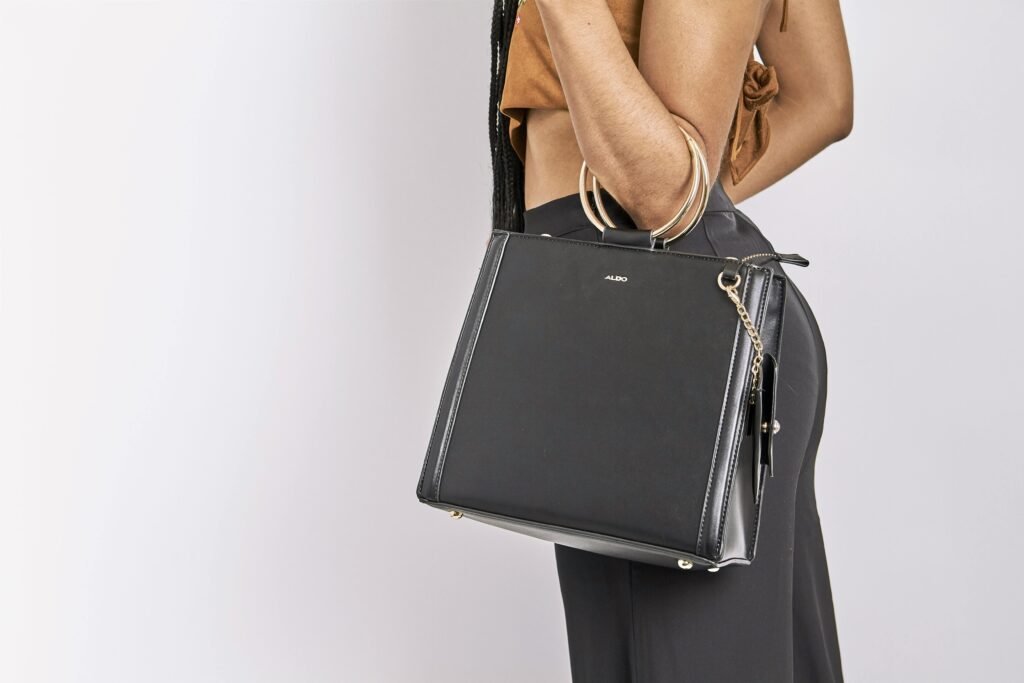
The fashion world is witnessing a significant resurgence of retro-inspired handbags characterized by ladylike structures. This trend pays homage to the elegance and sophistication associated with the styles of past decades, particularly the 1950s and 1960s. These handbags are often defined by their structured silhouettes, luxurious materials, and intricate detailing, which combine to create a sense of refined femininity.
Key design elements of these handbags include rigid shapes, top handles, and often features such as clasp closures and delicate embellishments. The use of high-quality leathers, in combination with bold colors and classic prints, further enhances their nostalgic appeal. Contemporary brands are embracing these vintage influences, infusing modern sensibilities through innovative materials and finishes as well as updated proportions. For instance, many brands are reinterpreting the classic doctor bag or frame bag, which were staples in mid-century fashion. These pieces often reflect a meticulous craftsmanship reminiscent of artisanal techniques from a bygone era, enticing the sartorially savvy who value both aesthetics and quality.
Notable examples of this trend can be seen in the collections of various high-end designers, who have embraced retro inspirations in their latest designs. Iconic shapes and patterns are often coupled with contemporary twists. The resurgence of plaid, houndstooth, and floral motifs fashioned into these ladylike structures offers an interesting juxtaposition of the past with the present. Additionally, accessories such as vintage-inspired brooches and charms serve to accentuate the classic theme, making the handbags not only functional items but also statement pieces.
As we move through 2026, the revival of retro-inspired ladylike handbag structures represents an enriching convergence of nostalgia and modernity, appealing to both vintage enthusiasts and new generations alike. This trend highlights a timeless allure that continues to resonate in today’s fashion landscape.
The Functional Fashion Movement
The handbag market has undergone significant transformation in recent years, with functionality emerging as a critical aspect of consumers’ purchasing decisions. As fashion enthusiasts and everyday users alike place increasing importance on practicality, the landscape of handbag design now encompasses a broader range of features designed to meet the demands of modern life. Gone are the days when bags were merely accessories; they now serve as essential tools that enhance daily living.
Today’s consumers seek handbags that provide not only style but also versatility. The transition towards multifunctional bags is evident, as shoppers gravitate towards designs that can effortlessly transition from day to night, or from casual outings to formal events. This adaptability is essential for individuals looking to maximize the utility of their accessories without compromising on aesthetics.
Durability is another key factor influencing the handbag market. With fast fashion being scrutinized more than ever, there is a palpable shift towards investment pieces that withstand the test of time. Consumers are opting for materials that not only look good but also promise longevity, ensuring their handbags remain in excellent condition through daily wear and tear. High-quality leather, robust canvas, and weather-resistant fabrics are becoming commonplace among modern handbag collections.
Additionally, organizational features have gained prominence among handbag attributes. Pockets, compartments, and detachable elements that allow for easy access to essentials significantly enhance user experience. This trend acknowledges the fast-paced lifestyles of today’s consumers and the need for bags that cater to their organizational demands. As a result, brands are innovating to create thoughtful designs that facilitate a clutter-free experience.
Key Trends in Material and Design
As the handbag industry continues to transform in 2026, key trends in materials and design are paving the way for innovative creations, particularly in oversized totes and retro bags. One notable movement is the increasing emphasis on sustainability in handbag production. Designers are increasingly opting for eco-friendly materials such as organic cotton, recycled polyester, and plant-based leathers. This shift not only reflects a commitment to environmental stewardship but also caters to a growing consumer demand for responsible fashion.
Furthermore, tech-friendly materials are gaining prominence, catering to today’s digitally connected lifestyle. Handbags are now often designed with integrated technology, providing features such as charging ports and RFID-blocking compartments. This fusion of style and functionality enables consumers to maintain their technological needs without compromising on aesthetic appeal. Noteworthy among these materials is *vegan leather*, which maintains the look and feel of traditional leather while being produced without animal products, thus appealing to a wider audience.
In terms of design, oversized totes are embracing versatility and practicality, becoming essential accessories for both casual and formal settings. Designers are playing with shapes and silhouettes, introducing structured yet spacious designs that accommodate a variety of user needs—from work essentials to weekend escapes. This trend towards multi-functionality parallels the resurgence of retro ladylike styles, which often feature vintage motifs and elegant detailing. The juxtaposition of classic aesthetics with modern materials illustrates a harmonious blend of past and present, appealing to diverse tastes within the consumer base.
Ultimately, the handbag landscape of 2026 is characterized by a commitment to sustainability, the integration of advanced materials, and a seamless blending of function and form, reflecting the evolving preferences of consumers in a rapidly changing world.
Consumer Preferences and Demographics
The handbag market in 2026 is significantly influenced by diverse demographic shifts and evolving consumer preferences. Younger generations, particularly millennials and Generation Z, are making noteworthy contributions to handbag trends. These age groups are characterized by a preference for functionality and sustainability in their fashion choices, favoring brands that demonstrate ethical practices and environmental consciousness. Notably, micro-bags, while seen as a statement accessory, present significant challenges in practicality, leading to a blend of various styles to accommodate this generation’s on-the-go lifestyle.
Moreover, demographics such as age, income levels, and geographical location play a crucial role in determining consumer preferences. For instance, urban dwellers are gravitating towards oversized totes that offer spaciousness and versatility, aligning with their fast-paced lifestyles. In contrast, suburban consumers may lean towards retro ladylike styles, which resonate with traditional aesthetics but also incorporate modern functionalities. This divergence emphasizes the necessity for brands to cater to a wide array of styles that reflect individual identities and lifestyle needs.
Additionally, the survey of purchasing behaviors among these age groups reveals that social media platforms significantly influence decisions. The rise of influencer culture and targeted advertising has driven consumer interest towards specific handbag trends, with platforms like Instagram showcasing how traditional and contemporary styles can seamlessly blend. Brands targeting these demographics must maintain agility in their marketing strategies, ensuring they align with the values and preferences of their consumers. Understanding the nuanced interplay between lifestyle influences and purchasing decisions is imperative for handbag brands aiming to thrive in this competitive landscape of 2026.
Influential Designers and Brands
In the transformed handbag landscape of 2026, several influential designers and brands have emerged as leaders in crafting collections that not only reflect current fashion trends but also resonate with evolving consumer preferences. Notably, luxury fashion houses like Chanel and Louis Vuitton have successfully integrated retro elements with modern functionality, reviving the ladylike aesthetic that was once a hallmark of classic design. Their latest collections have introduced new silhouettes alongside traditional designs, appealing to a diverse clientele.
Similarly, contemporary brands such as Staud and Jacquemus have disrupted the market by embracing the micro-bag trend while also offering oversized totes. Staud’s playful yet practical designs exemplify the versatility that today’s consumers seek, seamlessly transitioning from day to night. Meanwhile, Jacquemus continues to captivate the fashion-forward demographic with bags that emphasize bold colors and unconventional shapes, thus challenging the norms of handbag aesthetics.
Collaborations have become a key strategy for brands looking to enhance their reach and engage new audiences. For instance, the partnership between Balenciaga and Adidas has successfully merged streetwear with high fashion, leading to the creation of bags that prioritize both style and utility. This collaboration reflects a growing trend of blending leisure and luxury, and has significantly influenced consumer expectations regarding handbag functionality.
The impact of social media and influencer culture cannot be overlooked in shaping consumer perceptions. Designers and brands that effectively leverage platforms like Instagram are rapidly defining the zeitgeist, allowing their creations to transcend traditional marketing strategies. As these influential names continue to deliver innovative and aesthetically appealing handbags, they are simultaneously shaping market demand and establishing new standards of desirability in the evolving handbag landscape.
Conclusion and Future Outlook
The handbag market has demonstrated remarkable adaptability and transformation in 2026, reflecting broader societal changes in fashion, technology, and consumer behavior. The rise of micro-bags, oversized totes, and retro ladylike styles delineates a landscape enriched by variety and personal expression. The contemporary consumer’s preferences clearly oscillate between functional accessories and statement pieces that capture individuality.
Looking ahead, it is likely that the future of handbag design will continue to embrace sustainability, as consumers are increasingly inclined to support eco-friendly practices and materials. Brands may increasingly focus on providing options that not only serve aesthetic purposes but also emphasize ethical production standards. Furthermore, with the ongoing integration of technology into everyday items, handbags might evolve to incorporate smart functionalities, such as built-in chargers or biometric security features.
Moreover, we can anticipate the return of niche styles, showcasing culturally diverse influences that cater to a broader audience. This trend suggests that multiculturalism will likely be a hallmark of future designs, allowing emerging designers to gain recognition and showcase unique aesthetic traditions. As such, collaboration between established brands and talented new designers could become more prevalent, fostering innovation and creativity within the handbag market.
Overall, as we move further into the decade, consumers can expect an even richer tapestry of handbag designs to emerge. The combination of form, function, and environmental consciousness is poised to redefine what is considered essential in modern handbag design. This dynamic evolution prompts both excitement and anticipation for what’s to come in the ever-changing world of fashion accessories.